
Choosing the right approach to created in the image of our heavenly parents starts with clear context, practical filters, and realistic expectations.
Introduction to Our Heavenly Parents
The concept of being created in the image of our heavenly parents is a profound and complex idea that has been explored in various religious and spiritual traditions. It suggests that humans have a divine nature, reflecting the characteristics and attributes of a higher power or divine beings. This understanding can have a significant impact on our sense of identity, purpose, and direction in life.
Understanding the Concept To grasp the concept of being created in the image of our heavenly parents, it's essential to consider the attributes and qualities that are often associated with the divine.
These may include love, wisdom, creativity, and compassion. By recognizing these qualities within ourselves, we can begin to understand our own divine potential and the possibilities that lie within us.
Exploring Divine Attributes
Some of the key attributes that are often associated with our heavenly parents include:
- Love: The ability to love unconditionally and accept others without judgment.
- Wisdom: The capacity for discernment, insight, and wise decision-making.
- Creativity: The power to create, innovate, and bring new ideas into being.
- Compassion: The ability to empathize with others and show kindness and understanding.
The Implications of Being Created in the Image of Our Heavenly Parents Being created in

the image of our heavenly parents has significant implications for our lives and our relationships with others. It suggests that we have a sacred responsibility to cultivate and express the divine qualities that reside within us. This can involve developing our capacities for love, wisdom, creativity, and compassion, and using these gifts to make a positive impact in the world.
Practical Applications So, how can we apply the concept of being created in the image of our heavenly parents in our daily lives? Here are a few
practical suggestions: - Meditation and reflection: Take time to reflect on your values, goals, and aspirations, and consider how they align with your divine nature. - Service to others: Look for opportunities to serve and support others, using your unique gifts and talents to make a positive difference. - Personal growth and development: Engage in activities that promote personal growth and self-awareness, such as learning new skills, practicing mindfulness, or seeking out new experiences.
Common Mistakes and Limitations
While the concept of being created in the image of our heavenly parents can be incredibly empowering, there are also potential pitfalls and limitations to be aware of. For example: - Ego and self-importance: It's possible to become overly focused on our own divine nature, leading to ego inflation and a sense of superiority over others. - Lack of humility: Failing to recognize our own limitations and vulnerabilities can lead to a lack of humility and a disconnection from our true nature. - Comparing ourselves to others: Comparing our own spiritual journey or divine nature to that of others can lead to feelings of inadequacy or competition.
Overcoming Challenges and Obstacles Despite the potential challenges and limitations, it's possible to cultivate a deeper understanding of our divine nature and live a life that reflects the image of our heavenly parents. Here are a few strategies for
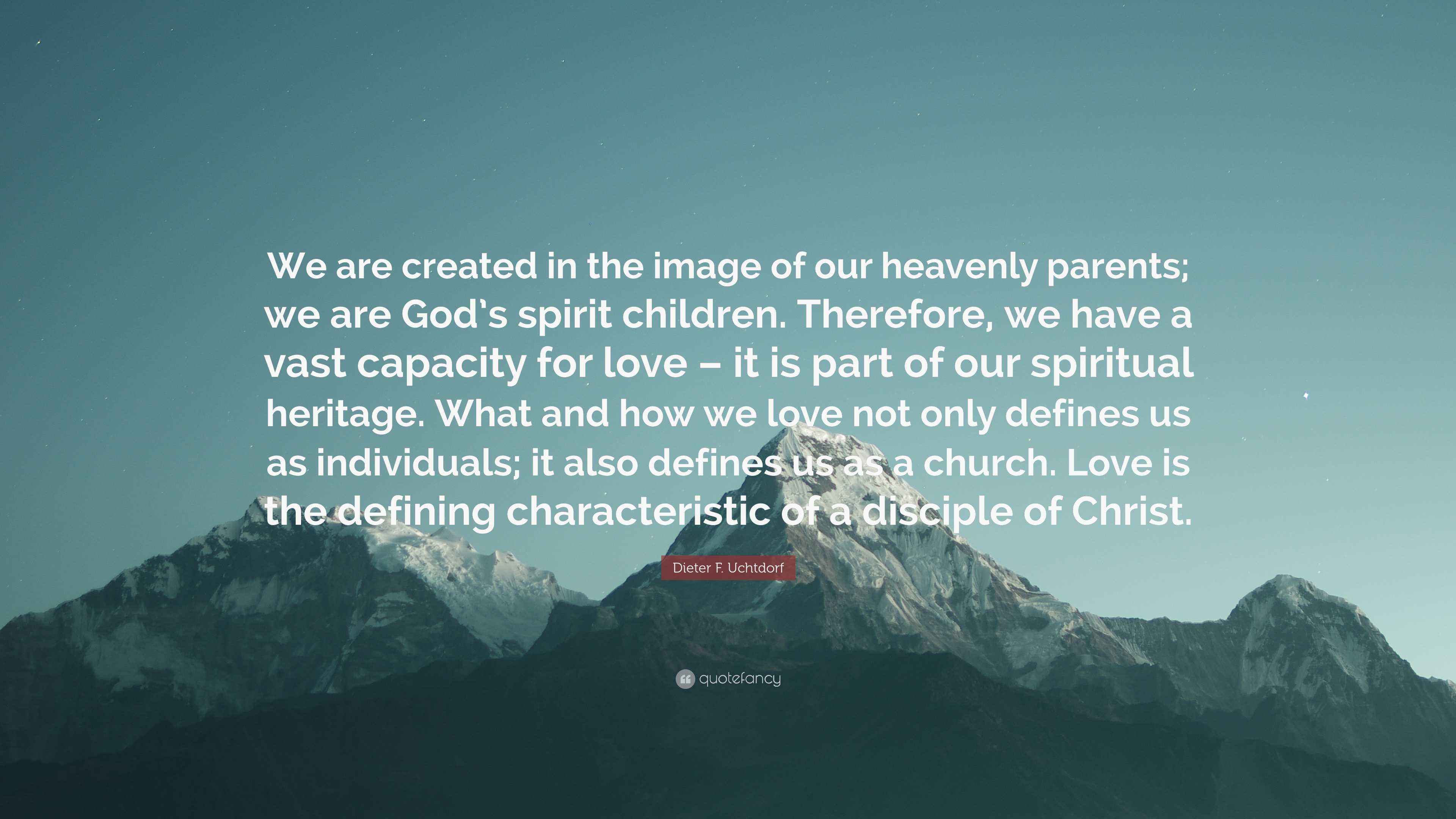
overcoming common obstacles: - Seeking guidance and support: Surround yourself with people who support and encourage your spiritual growth, and seek out guidance from trusted mentors or role models. - Practicing self-compassion and forgiveness: Treat yourself with kindness and compassion, and practice forgiveness when you make mistakes or encounter setbacks. - Focusing on the present moment: Rather than getting caught up in worries about the past or future, focus on the present moment and the opportunities that lie before you.
Realistic Use Cases and Examples Here are a few
realistic examples of how the concept of being created in the image of our heavenly parents can be applied in everyday life: - A parent who prioritizes empathy and understanding: By recognizing the divine nature of their child, a parent can approach discipline and guidance with a sense of compassion and empathy. - A business leader who values integrity and fairness: By acknowledging the divine worth of their employees and customers, a business leader can create a work environment that is characterized by integrity, fairness, and respect. - An artist who seeks to inspire and uplift: By recognizing the creative potential that lies within themselves and others, an artist can create works that inspire, uplift, and bring joy to those who experience them.
Conclusion and Next Steps
In conclusion, the concept of being created in the image of our heavenly parents offers a profound and empowering perspective on our nature and purpose. By recognizing and cultivating the divine qualities that reside within us, we can live a life that is characterized by love, wisdom, creativity, and compassion. As we move forward on our spiritual journey, let us remember to approach ourselves and others with kindness, humility, and an open heart.